
Introduction
Ever wondered where your morning omelette comes from? Sure, it’s an egg, but not all eggs are created equal. If you’re in the poultry business like me, you know that the quality of the egg matters just as much as the quantity. And that’s where commercial layers come into the picture.
So, what is a commercial layer?
A commercial layer is the superstar of the egg world. These are the hens specifically bred and raised to lay the eggs that end up on your breakfast table.
Interested? You should be. Let’s unscramble the details about commercial layers.
What is a Commercial Layer?
A commercial layer is a hen that has been genetically selected to produce a high number of quality eggs. These are the ladies that keep the egg trays full and the business booming.
Why is it Important in the Poultry Industry?
Commercial layers are the golden geese—err, chickens—of the egg industry. They are the primary source of table eggs and are indispensable to both small-scale and industrial poultry operations.
Why Should You Care About Commercial Layers?
Why should a poultry aficionado like myself care about commercial layers?
Well, they’re your bread and butter—or should I say, your egg and spoon? The profitability of your egg business hinges on the productivity of your commercial layers.
What’s the Quality of Eggs Like?
The quality of the eggs is top-notch. We’re talking about eggs with strong shells, vibrant yolks, and high nutritional value.
How Do Commercial Layers Differ from Other Chickens?
What’s the Lifespan?
Commercial layers have a productive lifespan of about 72 weeks, after which their egg-laying efficiency declines.
What About Egg Production Traits?
These hens are egg-laying machines. They can lay up to 300 eggs per year, which is significantly higher than backyard or heritage breeds.
What Conditions are Ideal for Raising Commercial Layers?
What’s the Ideal Housing?
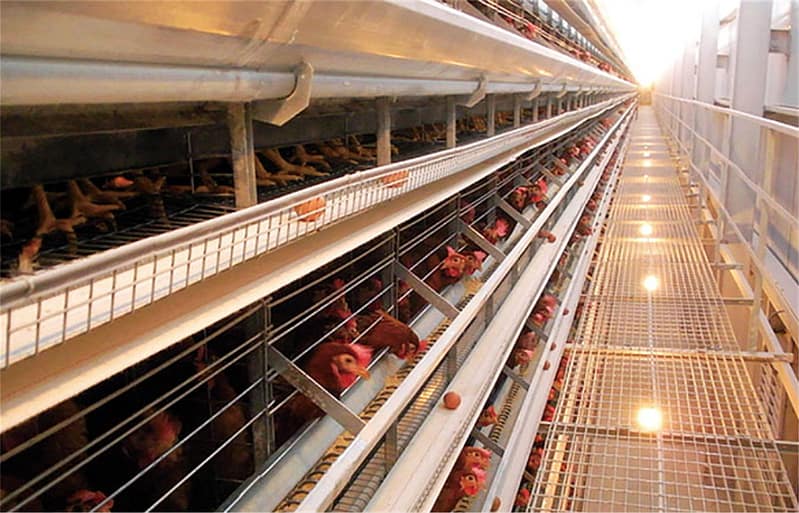
A well-designed cage or free-range system is crucial for the well-being and productivity of commercial layers.
What Should They Eat?
A diet rich in calcium and essential nutrients ensures high-quality egg production.
What About Lighting?
Adequate lighting stimulates egg-laying and should be carefully managed.
Common Challenges in Commercial Layer Management
What are the Health Concerns?
Health issues like respiratory diseases and calcium deficiencies can affect egg production.
What About Egg Production Consistency?
Maintaining a consistent egg production rate requires vigilant management and optimal living conditions.
Best Practices for Managing Commercial Layers
What are Biosecurity Measures?
Biosecurity is not just a buzzword; it’s a necessity. Strict biosecurity measures can prevent disease outbreaks.
What’s the Ideal Feeding Regimen?
Consistency is key. A regular feeding schedule with high-quality feed ensures optimal egg production.
Why is Record-Keeping Important?
Good record-keeping is not for the birds; it’s for smart poultry business owners. It helps in tracking performance and making data-driven decisions.
Choosing the Right Equipment for Commercial Layers
What Nesting Systems are Ideal?
Automated nesting systems can make egg collection a breeze and improve overall efficiency.
What Feeding Systems are Recommended?
Automated feeding systems are not just convenient; they’re a game-changer in maintaining consistent nutrition.
What About Ventilation?
Good ventilation is not just hot air; it’s essential for the health and productivity of your layers.
Conclusion
If you’re in the poultry business, understanding commercial layers is not just an option; it’s a requirement. These hens are the pillars of any successful egg production operation. Treat them right, and they’ll treat you to a steady supply of high-quality eggs.


