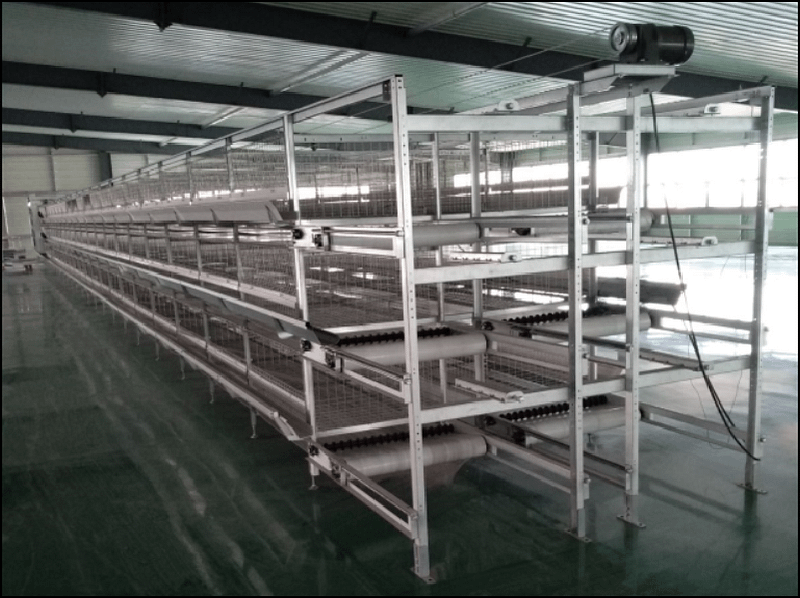
Is the Broiler Cage the Ultimate Solution for Your Poultry Farm?
Ever wondered how to maximize your poultry farm’s efficiency while ensuring the well-being of your broilers? You’re not alone. Many farm owners grapple with this dilemma. The answer could very well be the Broiler Cage system.
Why? Because it’s designed to provide optimal conditions for raising broilers, from enhancing feed efficiency to simplifying waste management.
So, if you’re intrigued (and you should be), keep reading. We’re about to delve into the nitty-gritty of Broiler Cages.
What is a Broiler Cage?
A Broiler Cage is a specialized housing system designed to accommodate broiler chickens. Unlike traditional open-floor systems, these cages offer controlled environments that can significantly improve the productivity and health of the broilers.
Types of Broiler Cages
There are several types of Broiler Cages, each with its own set of advantages and disadvantages.
Battery Cages: These are the most common and are excellent for space optimization.
Colony Cages: These offer more space and enrichment features like perches.
Furnished Cages: These are the Hilton Hotels of broiler cages, offering even more space and amenities like scratching pads.
Material Matters: What are Broiler Cages Made Of?
The material of the cage is crucial for both durability and hygiene.
Stainless Steel: Highly durable and easy to clean.
Galvanized Steel: Cheaper but may rust over time.
Composite Materials: Lightweight and corrosion-resistant but can be less durable.
The Pros and Cons
Pros:
- Improved Feed Efficiency
- Easier Waste Management
- Better Disease Control
Cons:
- Initial Cost
- Ethical Concerns
- Maintenance Complexity
Key Features to Look For
When shopping for a Broiler Cage, focus on:
Size: Ensure it’s appropriate for the number of broilers you have.
Durability: Look for high-quality materials that can withstand the test of time.
Ease of Cleaning: The simpler, the better. Trust me; you’ll thank yourself later.
Cost Factor
The initial investment can be steep, but the long-term ROI is often worth it.
FAQs
Is a Broiler Cage suitable for small farms? Absolutely, Broiler Cages come in various sizes and configurations to suit farms of all scales. For small farms, you can opt for smaller units that are easier to manage and still offer the benefits of efficient space utilization and easier waste management.
How do I clean and maintain a Broiler Cage? Cleaning and maintenance are relatively straightforward. Most modern cages are designed for easy cleaning with removable trays for waste management. Regularly check for any signs of wear and tear or rust, especially if you’re using galvanized steel cages.
What are the alternatives to Broiler Cages? Alternatives include open-floor systems and free-range setups. While these may offer more space for the broilers, they often require more labor for cleaning and are less efficient in terms of feed conversion.
How do Broiler Cages impact animal welfare?This is a hot topic. While Broiler Cages are designed to be as comfortable as possible for the chickens, some argue that the restricted space can be an issue. However, the controlled environment can also lead to fewer diseases and better overall health for the broilers.
Can I customize my Broiler Cage?Yes, many manufacturers offer customization options to meet the specific needs of your farm. Whether it’s the size, material, or additional features like automated feeding systems, customization is usually possible.
What are the legal requirements for using Broiler Cages?Legal requirements can vary by country and region. It’s crucial to consult local and national guidelines on animal welfare and housing systems to ensure you’re in compliance.
Conclusion
So, is the Broiler Cage the ultimate solution for your poultry farm? The answer largely depends on your specific needs and ethical viewpoints. However, when it comes to efficiency and potential ROI, it’s hard to beat the benefits of a well-designed Broiler Cage system.